


Harnessing endolysins to create the next generation of antibiotic-free solutions
Axitan is the leading biotech company focused on developing novel endolysin-based products to target and neutralize pathogenic bacteria impacting animal protein production & food safety
Who we are
To facilitate the safe reduction and removal of antibiotics through endolysin-based solutions
Our purpose
Why our technology matters

Antimicrobial resistance (“AMR”) is one of the major global health threats facing society. The overuse of antibiotics is recognized as the primary cause.

The median resistance of the common foodborne pathogens is now approaching 50%.

The animal protein industry accounts for around 66% of antibiotic consumption annually. Antibiotic consumption is forecast to increase 11.5% by 2030 in the sector (NIH).

Axitan’s technology provides a new mechanism for targeting & killing bacteria without causing resistance.

The cost of AMR
Human life
1.27m deaths pa today
10m by 2050 (O’Neill/UN)
Economic
$3.4tn per year by 2050 (WHO)
Food-borne illness
600m cases of food-borne illness, 420,000 deaths pa (WHO)
$110B in global impact made harder to address due to AMR
Endolysins
Fast effective, no antimicrobial resistance
How we use endolysins
Axitan has pioneered the discovery, development, production and formulation of unique endolysins to target and kill pathogenic bacteria.
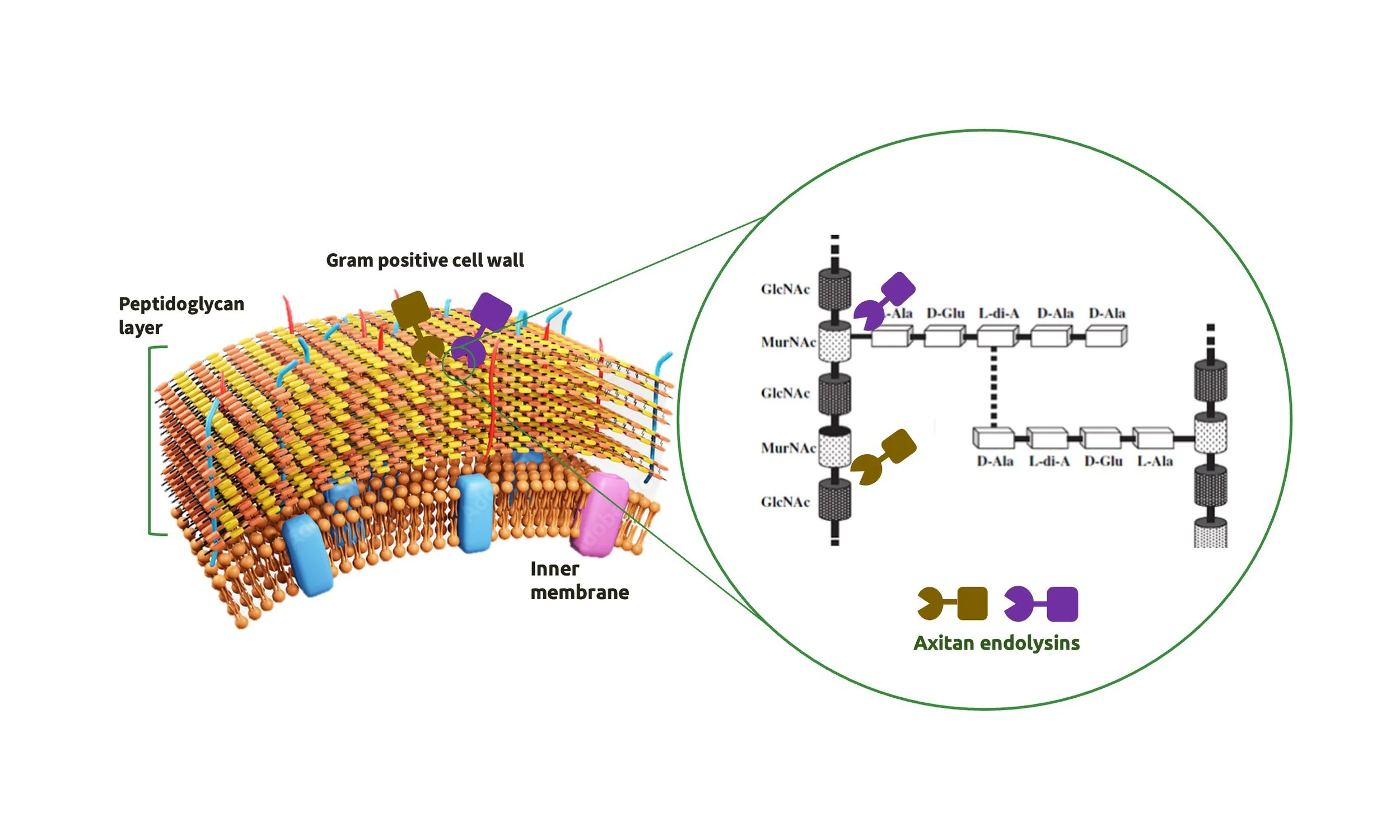
What they are
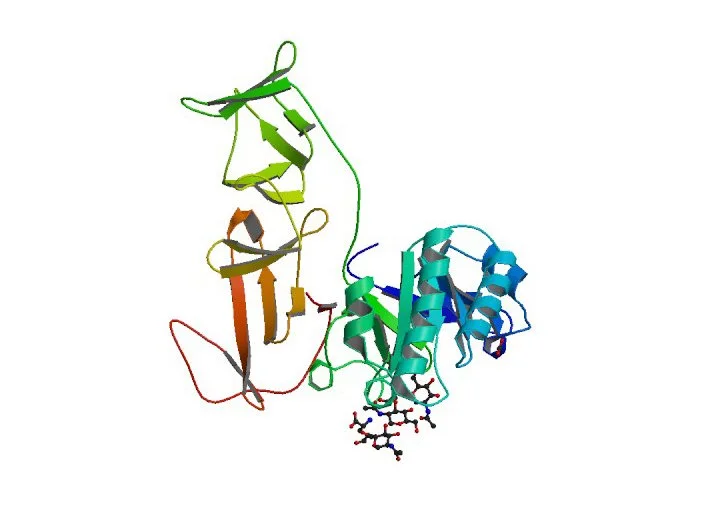
Endolysins are single function enzymes originally used by viruses to cut through cell-walls of infected cells so that a virus’s progeny can be released.
How they work
Endolysins comprise two domains

A targeted binding domain
Our endolysins only bind to the cell-wall of their intended target

A cutting domain
Whose sole function is to cut through the peptidoglycan layer (“cell-wall”) causing the cell to lyse (“burst and die”)
Why endolysins: an alternative to antibiotics
Have direct mode of action – ie. only cut the cell-wall of the targeted pathogen

Are not broad spectrum – only target their intended pathogen leaving good bacteria alone
Fully withstand commercial production processes and different production models
Can be easily formulated with other beneficial components to improve productivity
Do not trigger antimicrobial resistance

Real world applications
The animal protein industry accounts for around 66% of the world’s annual antibiotic consumption.
Our commercial products address key productivity issues arising from the animal protein industry’s drive to reduce antibiotic usage.
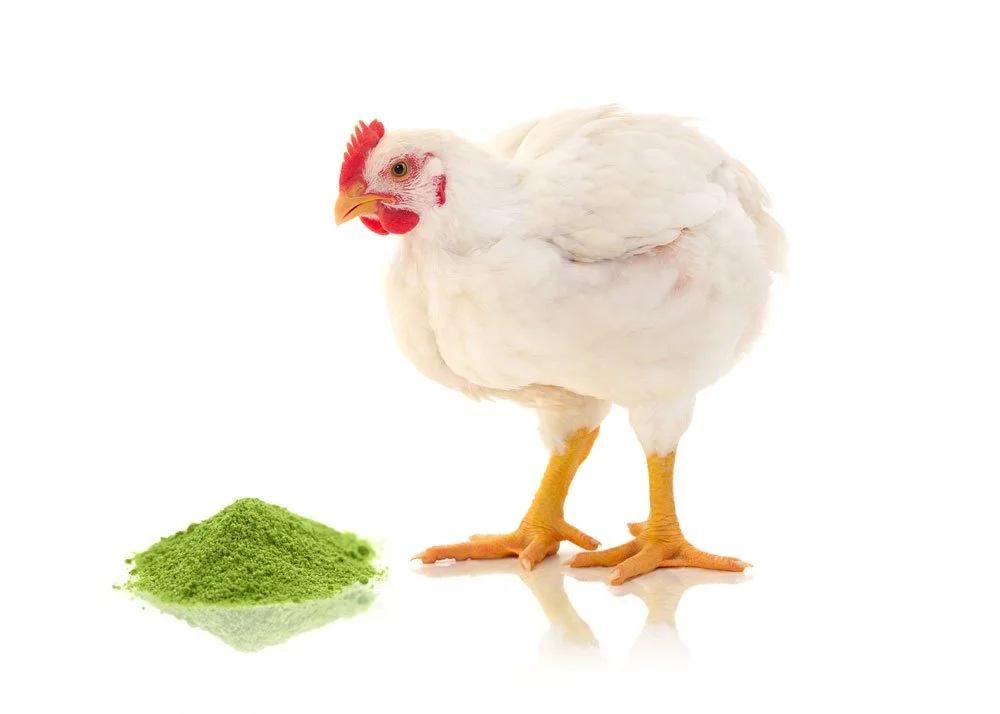
FORC3®
Targets Clostridium perfringens, the causative agent of necrotic enteritis in poultry. Has been seen to significantly improve livability & productivity, including FCR and meat yield, across multiple production models.
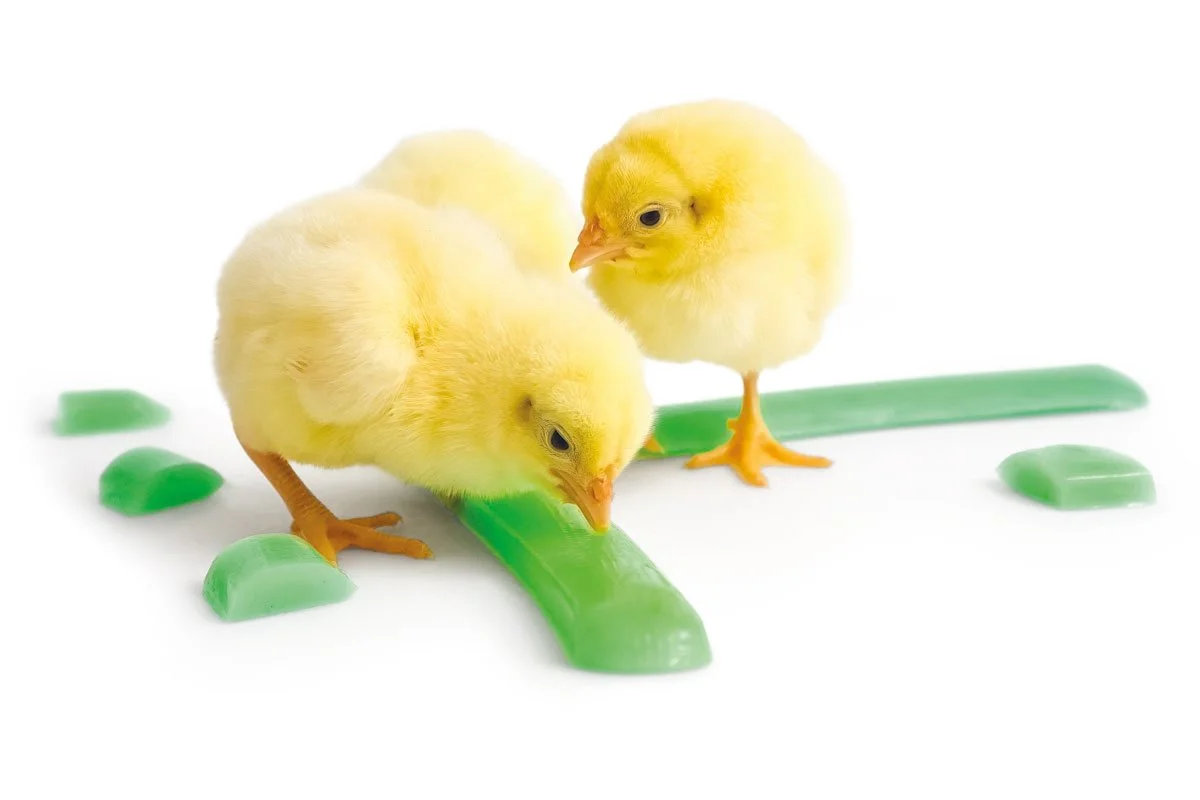
NMAN®
Our high-performance nutrition and hydration gel. The foundation for a strong immune system in chicks and poults. Has been seen to consistently improve livability & uniformity.